
Understanding Night Driving Curfew Proposals
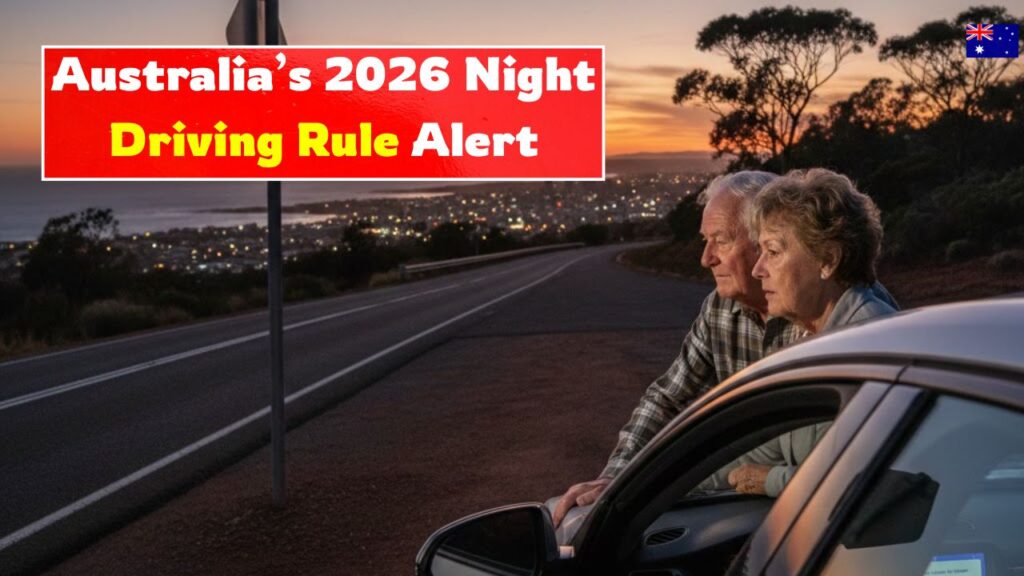
The new traffic rule focuses on introducing nighttime driving restrictions for drivers aged 75 and above. Officials argue that limiting driving after certain hours can lower accident probabilities and improve overall road safety standards. The curfew proposals typically suggest restricting driving between 10 PM and 5 AM, though specific time limits may vary by state. Authorities also plan to provide alternative transport options for seniors, ensuring essential travel is not disrupted. Understanding these rules early allows seniors to adjust travel schedules and maintain mobility safely.
 Australia Age Pension Rules Face Fresh Review in 2026 as Retirement Age Increase Debate Resurfaces
Impact on Senior Drivers’ Daily Life
Implementing night driving curfews could change daily routines for older Australians. Seniors who usually drive at night may need to rely on public transport options or rideshare services to complete essential errands. Some may experience limited social interactions or restricted access to medical appointments. However, studies suggest that reduced nighttime driving can prevent fatal accidents and improve overall community safety. Planning ahead and understanding these impacts can help seniors maintain independent living while complying with the proposed regulations.

Government Support and Alternatives
To ease the transition, authorities are exploring supportive transportation measures for affected seniors. Options may include subsidized shuttle services, expanded public transit, and community-based ride programs. Education campaigns are also planned to raise awareness about safe driving practices and help seniors adapt to curfew requirements. These initiatives aim to balance mobility independence with enhanced road safety, ensuring seniors can remain active without risking themselves or others on the road.
Summary and Analysis
The proposed night driving curfews for senior drivers in Australia highlight a proactive approach to road safety improvements. While some seniors may face restricted travel freedom, the government plans to provide practical alternatives to maintain independence. Public discussions are ongoing, reflecting a balance between health considerations and community safety goals. Preparing for these changes now allows seniors to adapt seamlessly, ensuring continued safe mobility while supporting a reduction in nighttime traffic incidents.
| Age Group | Proposed Curfew Hours |
|---|---|
| 75-79 | 10 PM – 5 AM |
| 80-84 | 9 PM – 5 AM |
| 85+ | 8 PM – 5 AM |
| Exceptions | Medical or emergency travel allowed |
| Support Options | Public transit, shuttle, ride programs |
Frequently Asked Questions (FAQs)
1. Who is affected by the curfew?
Drivers aged 75 and older may be subject to night restrictions.
 New Tax Offset Payment Confirmed for 2026–27: How Much Australian Households Could Save This Year
2. What are the typical curfew hours?
Curfews generally range from 10 PM to 5 AM, depending on age.
3. Are there exceptions for emergencies?
Yes, medical visits or urgent travel are usually exempt.
4. What alternatives exist for seniors?
Options include public transit, community shuttles, and rideshare services.