
Australia is introducing stricter child car seat safety standards in 2026, aiming to provide parents with clearer guidance and enhance protection for young passengers. These updated regulations are designed to address common safety gaps and ensure that every child is properly secured during car journeys. Parents across the country must now understand the new installation rules and weight and height limits for each car seat type, as well as the updated safety labels that will be mandatory. Staying informed is essential to keep children safe on the roads and comply with legal requirements.
Understanding the 2026 Car Seat Safety Rules
The new Australian guidelines emphasize rear-facing seat requirements for infants and stricter forward-facing weight limits for toddlers. Manufacturers must now include enhanced safety labeling that clearly indicates the seat’s approved age, weight, and height. Parents should check the expiry dates on car seats and replace any that no longer meet the 2026 standards. Additionally, mandatory harness adjustments ensure that children are properly restrained at all times. These changes aim to reduce injury risks and provide a uniform safety standard across Australia.

How Parents Can Comply With New Standards
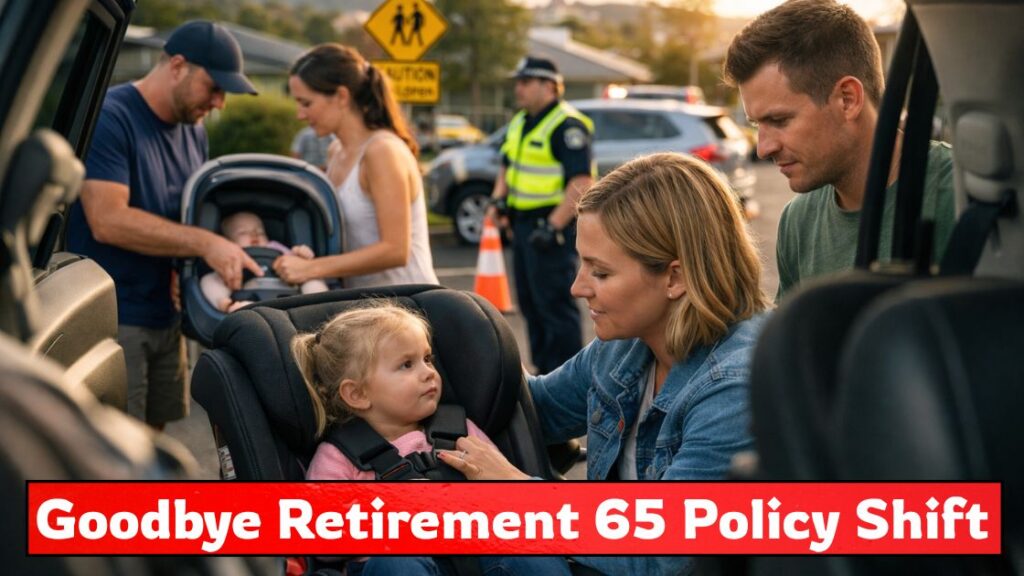
To comply with the updated regulations, parents should first verify that their existing car seat has the 2026 compliance label. Installing the seat according to the vehicle manufacturer instructions is now legally required, and improper installation can lead to fines. Parents are encouraged to attend approved fitting stations or seek professional guidance for installation. Checking for recall notices and ensuring the seat’s harness system is intact are additional steps to maximize safety. Staying proactive prevents potential accidents and aligns with Australia’s strengthened safety framework.
 Goodbye to Old Visa Conditions: Australia Introduces Tougher Visa Rules From 2nd February 2026
Benefits of Upgraded Child Seat Safety Measures
These stricter regulations provide significant protection for young passengers and reduce the likelihood of serious injuries during collisions. The updated rules encourage the use of rear-facing seats longer and proper harness positioning, which research shows improves safety outcomes. Parents also gain peace of mind knowing their children are secured with approved safety-tested seats. Furthermore, compliance ensures adherence to Australian road laws, avoiding penalties while promoting best practices in child transportation.
Summary of 2026 Car Seat Safety Updates
Overall, Australia’s 2026 child car seat regulations introduce mandatory safety labels, weight and height requirements, and stricter installation procedures. Parents are encouraged to verify compliance, attend fitting stations, and replace outdated seats to ensure maximum protection. By understanding and following these new standards, families can enhance child passenger safety, avoid legal issues, and embrace best practices for secure travel across the country.
| Car Seat Type | Weight Range (kg) | Height Range (cm) | Compliance Requirement |
|---|---|---|---|
| Infant Rear-Facing | 0–10 | 45–75 | 2026 safety label mandatory |
| Toddler Forward-Facing | 9–18 | 75–105 | Harness must fit snugly |
| Booster Seat | 15–36 | 95–145 | Use vehicle seatbelt correctly |
| Combination Seat | 9–36 | 75–145 | Check harness and belt paths |
Frequently Asked Questions (FAQs)
1. When do the new rules take effect?
The updated child car seat regulations apply starting in 2026 across Australia.
 Goodbye to Centrelink Overpayments: New Income Reporting Rules Launch From 2nd February 2026
2. Are existing car seats still allowed?
Only seats with a 2026 compliance label meet the new safety requirements.
3. How can I check my seat’s compliance?
Look for the 2026 safety label and manufacturer instructions.
4. Where can I get professional installation help?
Approved fitting stations and certified technicians offer installation guidance.